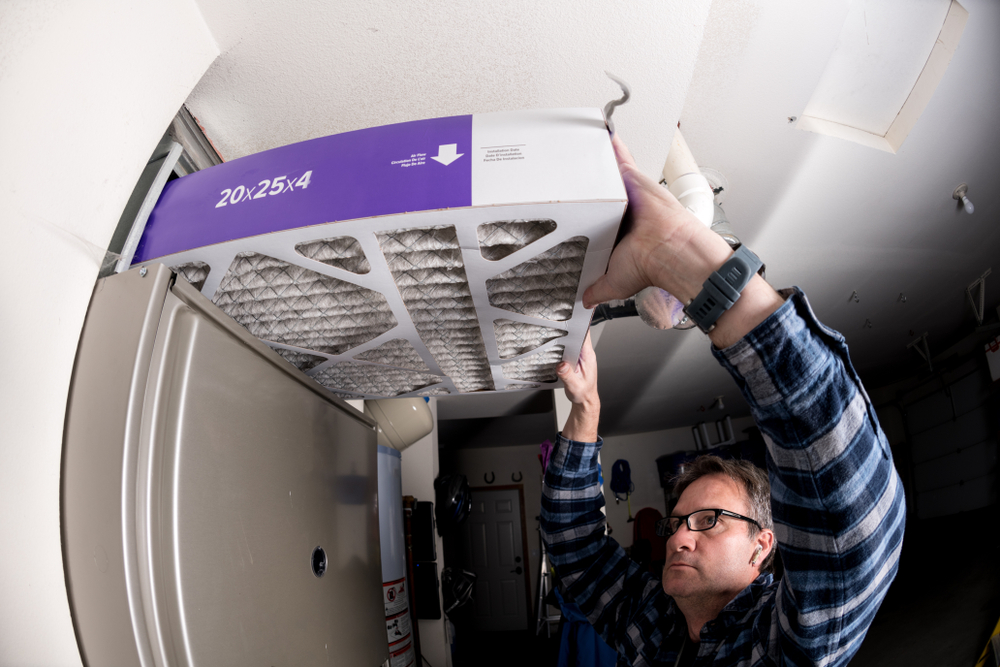
A few periodic homeowner tasks are vital for maintaining the quality and efficiency of your furnace and your overall HVAC system, and replacement of your furnace filter is a great example. What should you be thinking about when it comes to how often to replace a furnace filter?
At Airtime Heating & Cooling, we're proud to offer an unmatched range of HVAC solutions for clients around Draper, Herriman, and nearby areas, including everything from precision tune-ups to AC and furnace replacements. Furnace filter changes are a common part of our tune-ups; here are some basics on why they matter, plus what to think about when it comes to how often to replace a furnace filter in your system.
Furnace Filter Basics and Changing Importance
What are furnace filters, and why is changing them periodically important? Furnace filters are essentially exactly what they sound like: Filters that catch dust, debris, and other particles from the air entering your furnace system. These particles would otherwise be sucked into your heating coils or ductwork, negatively impacting how these systems function.
In addition to keeping your furnace functioning properly, regular filter changes also offer benefits in several other areas:
- Air Quality: A clogged or dirty filter can release dust and allergens back into the air in your home, lowering overall air quality.
- Energy Efficiency: When a filter is clogged, it forces the furnace to work harder to pull air through it. This means higher energy costs for you.
- System Lifespan: The harder your furnace has to work due to a clogged filter, the more quickly it will wear out. Regular filter changes can help extend the lifespan of your system.
- Increased Comfort: A dirty filter can restrict airflow and cause uneven heating or cooling throughout your home. Changing the filter regularly helps ensure consistent comfort levels in every room.
So how often to replace a furnace filter in your system? Our next several sections will go over the chief factors that help answer this question.
Filter Type and Manufacturer Recommendations
The single largest factor that will help guide you on how often to replace your furnace filter is the type of filter you use. There are several different types of filters, and each one has its own recommended replacement schedule.
- Basic Fiberglass Filters: These are the most common type of furnace filters and are typically recommended for replacement every 30 days. They are relatively inexpensive but only capture large particles like dust, lint, and debris.
- Pleated Filters: Pleated filters have a larger surface area than basic fiberglass filters and can last up to three months before needing replacement. They capture smaller particles such as mold spores, pet dander, and pollen.
- HEPA Filters: HEPA stands for High-Efficiency Particulate Air and these filters are known for their ability to capture 99.97% of particles that are 0.3 microns or larger in size. However, they can be expensive and may require professional installation.
- Electrostatic Filters: These filters use an electrostatic charge to attract and capture particles from the air. They are more effective than basic fiberglass filters but not as efficient as HEPA filters.
For any filter you choose, the manufacturer will offer recommendations on how often to change it. This usually depends on the type of filter and the level of air pollution in your area.
Levels of Air Pollution
Both within your home and in the surrounding areas, levels of air pollution or contamination are also key factors in how often you need to change your furnace filters. A few elements that can have an impact here include:
- Pets in the home: If you have pets, the air filters will get filled with pet hair and dander. It is often recommended to change filters more often if you own pets, particularly dogs that shed significantly.
- The number of people in the home: More people living in a space means more air contaminants like dust, bacteria, and viruses. Filters should be changed more often if you have more than four people in the home.
- Location: If you live in an area with high levels of outdoor pollution or near a busy highway, your filters may need to be changed more frequently due to increased exposure to pollutants.
It's important to regularly check your air quality levels and adjust your filter changing schedule accordingly.
Other Needs
There are also a few other needs or situations where you might adjust your furnace filter changing schedule, such as:
- Allergies: If someone in your home suffers from significant allergies or respiratory issues, it may be necessary to change the filter more frequently to maintain cleaner air.
- Renovations: Any type of renovation work can create excessive dust and debris that can clog up filters faster. It may be wise to change them more frequently during this time.
- Construction: If nearby construction is taking place, it can also increase the amount of dust and dirt in the air. Consider changing your filter more often during this time.
- Smokers: If someone in your home smokes indoors, it's important to change the filter regularly to help reduce the smoke and odor lingering in the air.
At Airtime Heating & Cooling, we're here to help with all your furnace filter changing and other HVAC maintenance needs around Draper and Herriman. Contact us today to learn more or schedule services!