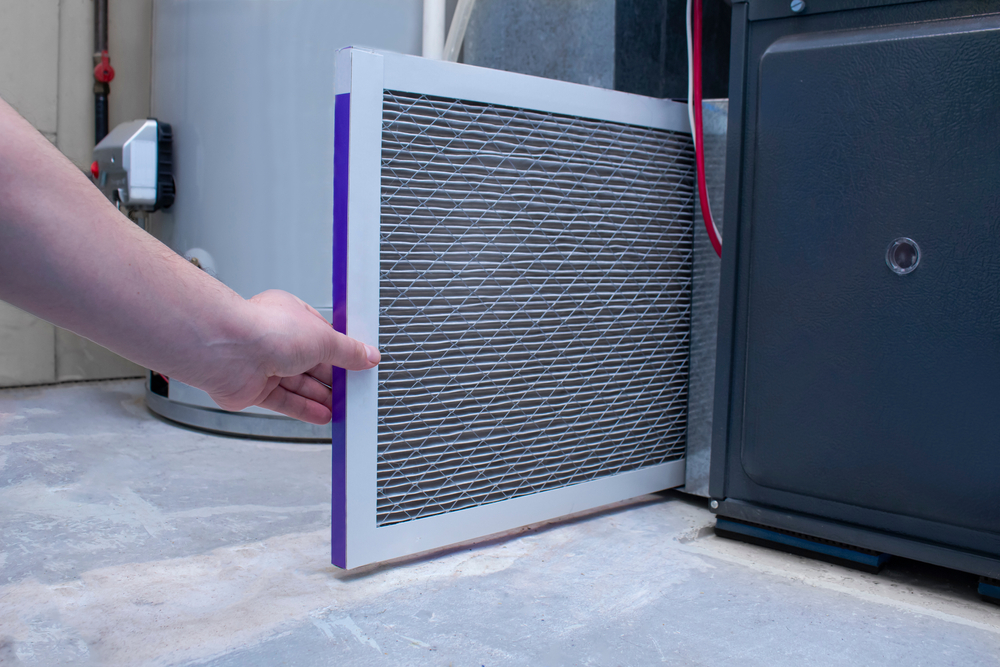
There are certain basic HVAC maintenance tasks that it's valuable to know as a homeowner, and how to change a furnace filter is definitely on this list. If you're unsure how to do this, it's never too late to learn!
At Airtime Heating & Cooling, we're proud to offer the best air conditioner and furnace services available around Draper, Herriman and nearby areas, plus indoor air quality solutions as well. We regularly assist clients with filter needs, from helping them determine the ideal filter for their home to recommending proper changing frequency and more. Here are some basics and a step-by-step guide on how to change a furnace filter.
Before we get into the details of changing a furnace filter, let's first understand why it's important. The air filters in your HVAC system play a crucial role in maintaining good indoor air quality and keeping your system running efficiently. They trap dust, dirt, allergens, and other pollutants that would otherwise circulate through your home.
Over time, these particles accumulate on the filter and restrict airflow, forcing your furnace to work harder to keep your home at a comfortable temperature. This not only leads to higher energy bills but can also cause strain on the system and reduce its lifespan.
On the other hand, if you change your filters regularly, you can keep your furnace running smoothly and efficiently. This can save you money on energy costs and extend the life of your system, ultimately saving you from costly repairs or replacements.
Here are the basic steps to follow when changing furnace filters:
The first important part of this job actually takes place before you even get your hands dirty. Make sure to check your owner's manual for the correct size and type of filter needed for your specific furnace model. This is important because different models may require different sizes or types of filters.
In particular, the MERV rating is important when choosing a filter replacement. MERV stands for Minimum Efficiency Reporting Value and it measures how effective the filter is at trapping airborne particles. The higher the MERV rating, the more efficient the filter is at removing pollutants from the air. Our HVAC pros will be happy to recommend the ideal MERV rating range for your home and setup.
Once you have determined the correct size and type, make sure to purchase a high-quality filter that is designed specifically for your furnace. Don't skimp on this step as using a low-quality filter can ultimately do more harm than good.
One step that's necessary with some furnace setups, but not with others, is turning off your entire HVAC system before replacing the filter. If you have a furnace and air conditioner combo unit, for example, you may need to turn off both systems before accessing the filter.
However, some setups allow for changing the filter without turning off the system. This is usually the case with standalone furnaces that do not have an air conditioning component attached. It's important to follow manufacturer instructions or consult with a professional if you are unsure about whether or not to turn off your HVAC system when changing the furnace filter.
Once you've determined whether or not you need to turn off your HVAC system, it's time to remove the old filter. The location of the filter may vary depending on your setup. Most often, you can find it in the air handler unit, an enclosed metal box that connects to your ductwork.
To access the filter, simply open up the door or panel on the air handler and slide out the old filter. Some filters may be held in place by clips or screws, while others may simply need to be lifted out. Be sure to dispose of the old filter properly according to local guidelines.
Making sure to pay attention to the arrow on the filter that notes which direction the air flow should be, slide in the new filter into place. Make sure it is properly aligned with the arrows and securely held in place by any clips or screws.
Once the new filter is inserted, close up the door or panel on the air handler unit. Turn on your HVAC system and let it run for a few minutes to ensure proper air flow. You should also check that there are no leaks or gaps around the filter, as this could compromise its effectiveness.
When it comes to filter changing frequency, pay close attention to the manufacturer's recommendations. Some filters may need to be changed every month, while others can last for up to three months. The frequency of filter changes also depends on various factors such as the type of filter, the size of your home, and the level of pollution in your area.
If you have pets or allergies, it is recommended to change your air filter more frequently. Pet hair and dander can clog up a filter quickly, reducing its efficiency. Additionally, if anyone in your household suffers from respiratory issues or allergies, frequent filter changes can help improve their indoor air quality.
At Airtime Heating & Cooling, we're here to help with all your furnace needs, from furnace repair to filter changes and more. Contact us for these or other HVAC services around Draper and Herriman areas!